
Inside an Animation Process
Animation · · 3 min read
Start with the Story
Before an animated character moves, a story needs direction. What does the character want? What stands in the way? What changes by the end? Answering these questions gives the visual team something more useful than a collection of impressive scenes: an emotional journey.
Early sketches are a place to explore, not to polish. Shapes, silhouettes and small expressions can reveal a character's personality long before fine detail is added. A strong design remains readable in a simple pose and supports the role the character plays in the narrative.
Storyboards, Timing and Rhythm
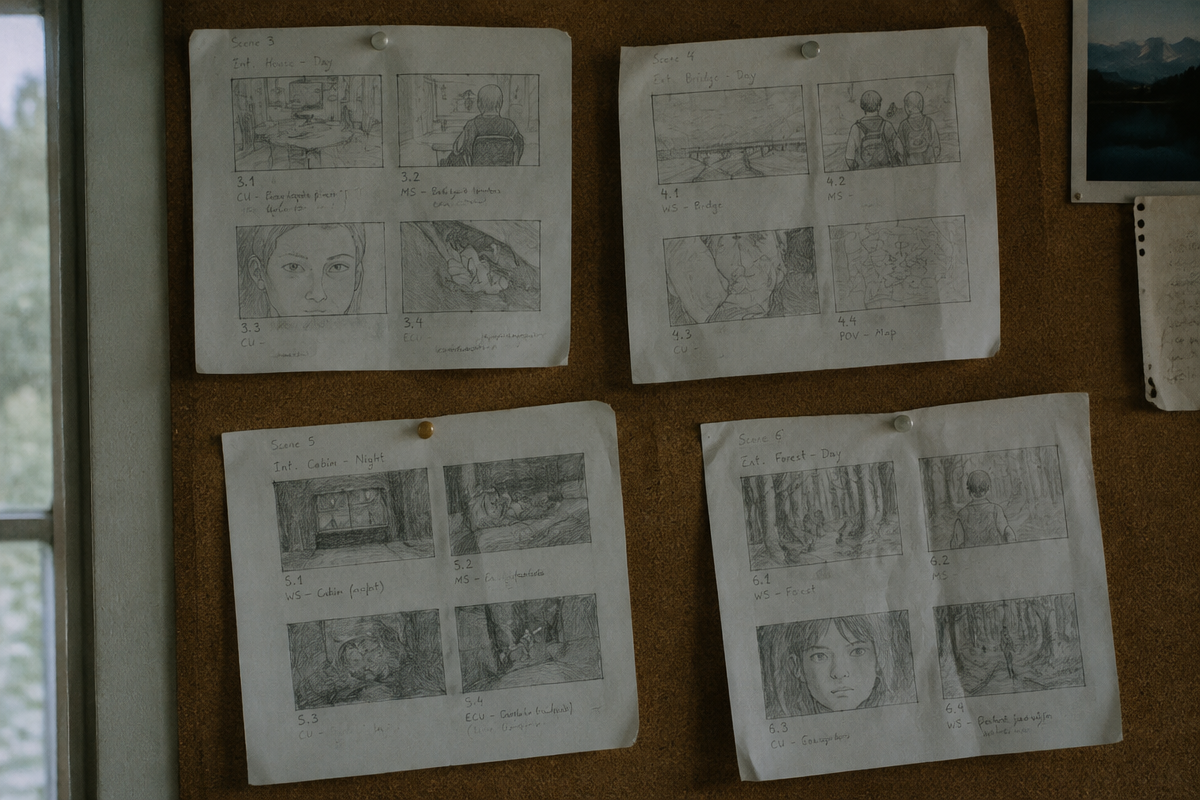
Storyboards translate written action into a sequence of images. They explore framing, movement and the relationship between shots. A wide view may establish a world; a close-up may reveal a choice. The order of those images guides what the audience notices and feels.
An animatic places the boards on a timeline, often with temporary sound. It lets the team test pacing before committing to finished animation. A pause that feels brief on paper may need more time on screen, while an elaborate sequence may become stronger when simplified.
Movement with Purpose
Convincing movement is built from observation. Weight, balance, anticipation and follow-through help a figure feel present, whether the style is realistic or highly expressive. A raised hand, a turning head or a shifting gaze should reveal intention rather than merely keep the frame busy.
Lighting, colour, compositing and sound then bring the separate elements together. Each pass should reinforce the same feeling. The final question is not only whether a frame looks beautiful, but whether the sequence communicates clearly and allows the story to breathe.
Related Posts
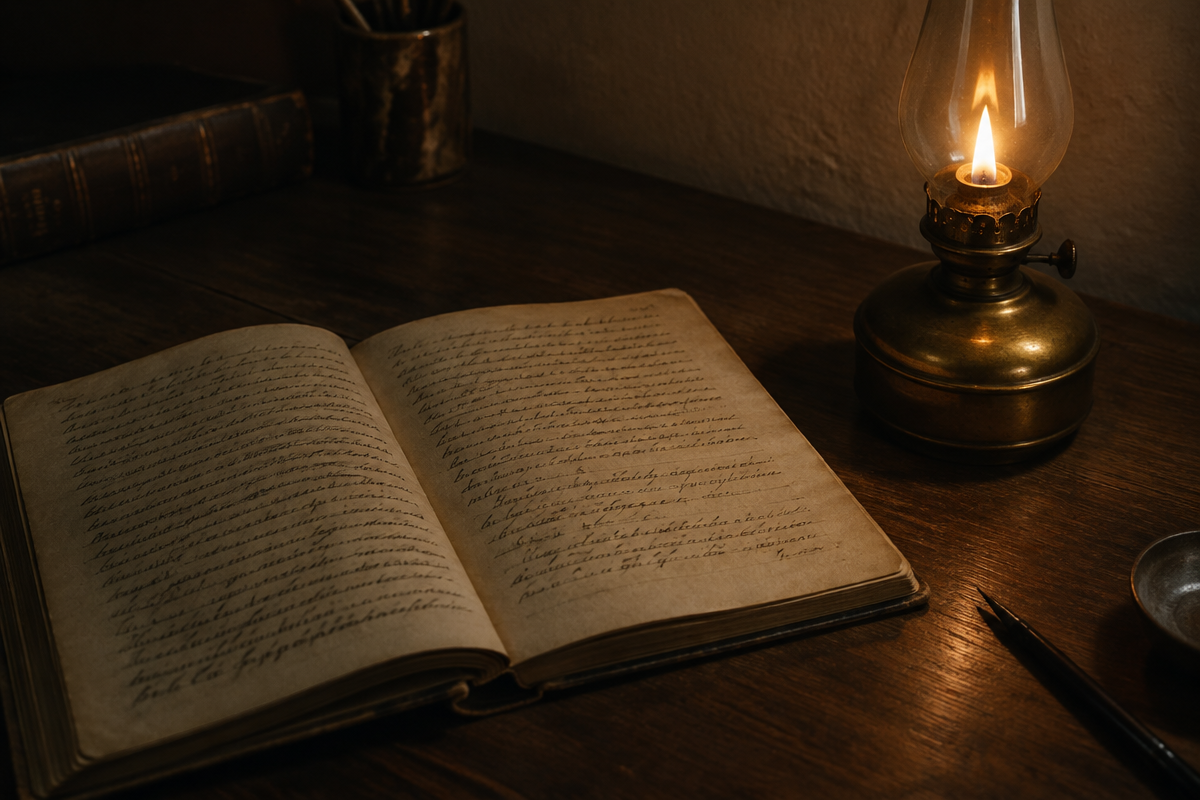
Why Timeless Stories Still Matter
Across generations, the stories we remember give shape to courage, belonging and the search for meaning.
Read Article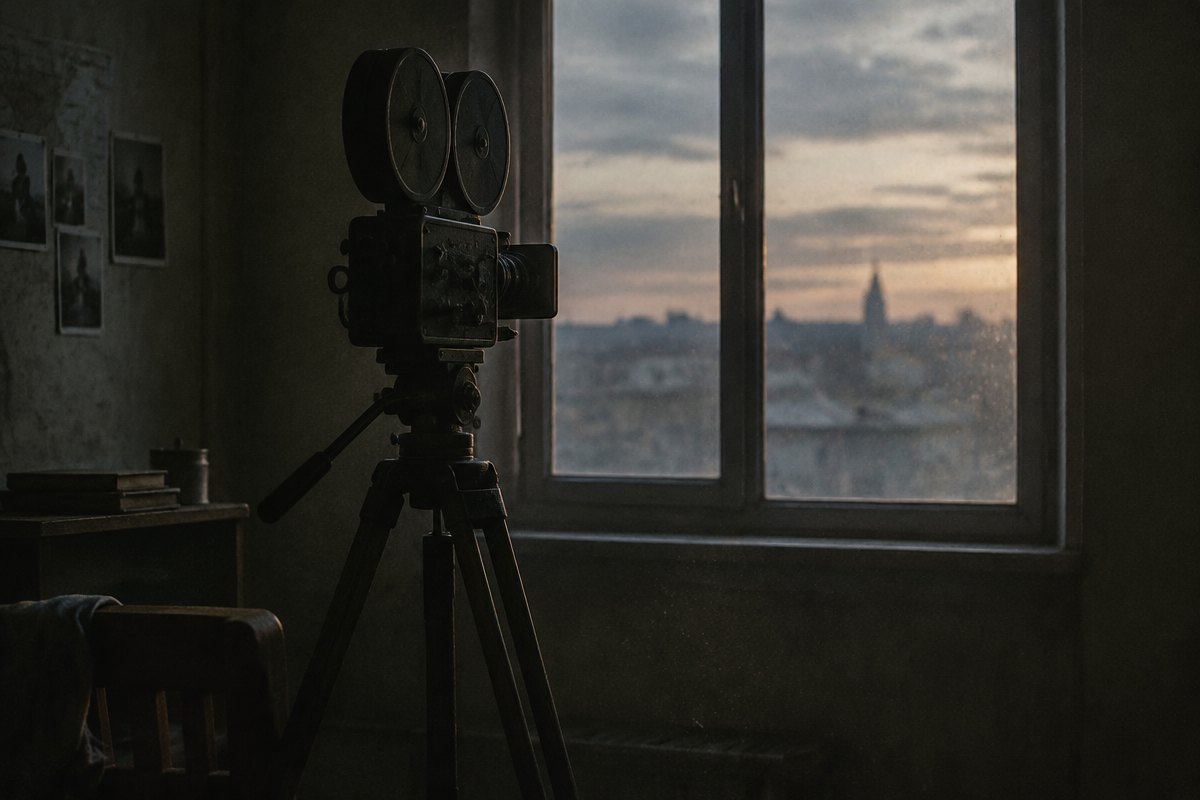
Light, Frame and Feeling in Cinema
A lamp, a shadow and a carefully held frame can tell a story before a single line of dialogue is spoken.
Read Article