
Why Timeless Stories Still Matter
Storytelling · · 3 min read
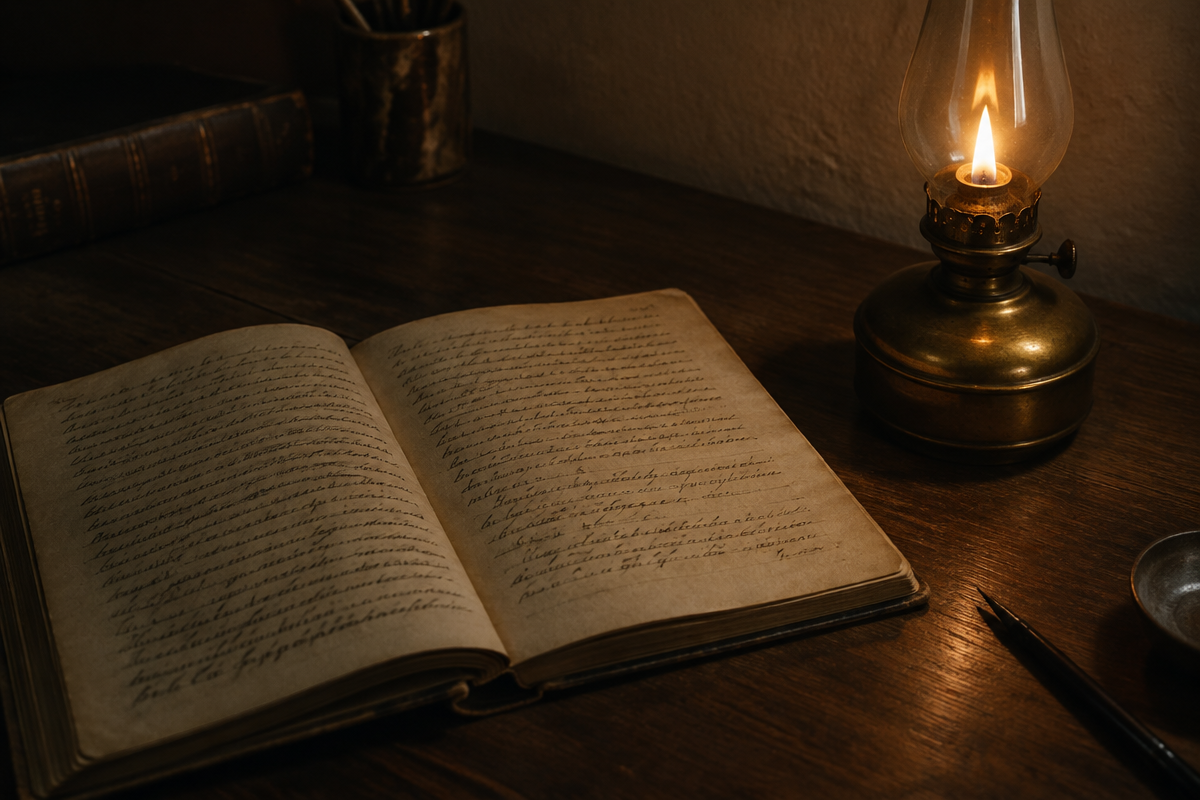
A Living Inheritance
A story can travel further than the person who first tells it. Passed from a grandparent to a child, or from a village gathering to a cinema screen, it carries ways of seeing the world. Its setting may be distant, yet its questions remain familiar: What do we owe one another? Where does courage begin? What is worth protecting?
Timelessness does not mean that a story never changes. It means that each generation can find something meaningful within it. A remembered gesture of kindness, a difficult choice or a journey home can speak across differences of language and place.
Honouring Tradition with Care
Retelling a cultural or spiritual narrative calls for more than beautiful imagery. It begins with listening: to the people who preserve it, to the language in which it is told and to the beliefs that give its symbols meaning. A sacred place is not simply a dramatic backdrop; it may be part of a community's living identity.
Different versions of a legend can coexist. A thoughtful adaptation makes room for that complexity instead of presenting one interpretation as the only truth. Distinguishing oral tradition, personal belief and documented history helps preserve both wonder and trust.
Emotion Before Spectacle
Cinema and animation can make an imagined world visible, but scale alone does not make it memorable. The audience needs a human point of connection: a character's hesitation, an act of devotion or the quiet cost of a decision. Spectacle becomes powerful when it serves that emotional thread.
The strongest retellings do not ask the past to become fashionable. They find a clear, sensitive way for it to speak in the present. When craft supports meaning, an old story becomes not a relic to admire, but a conversation to continue.
Related Posts
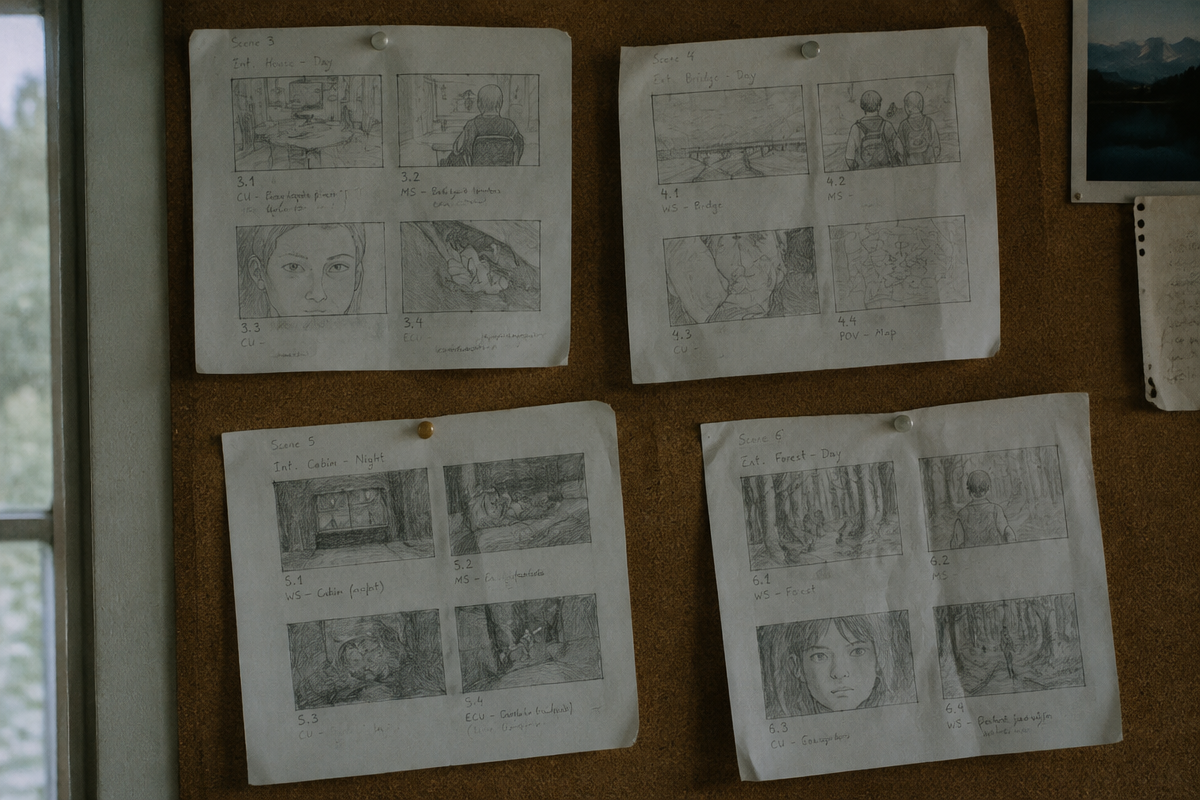
Inside an Animation Process
From the first sketch to the final frame, animation turns a story's emotional rhythm into movement, colour and sound.
Read Article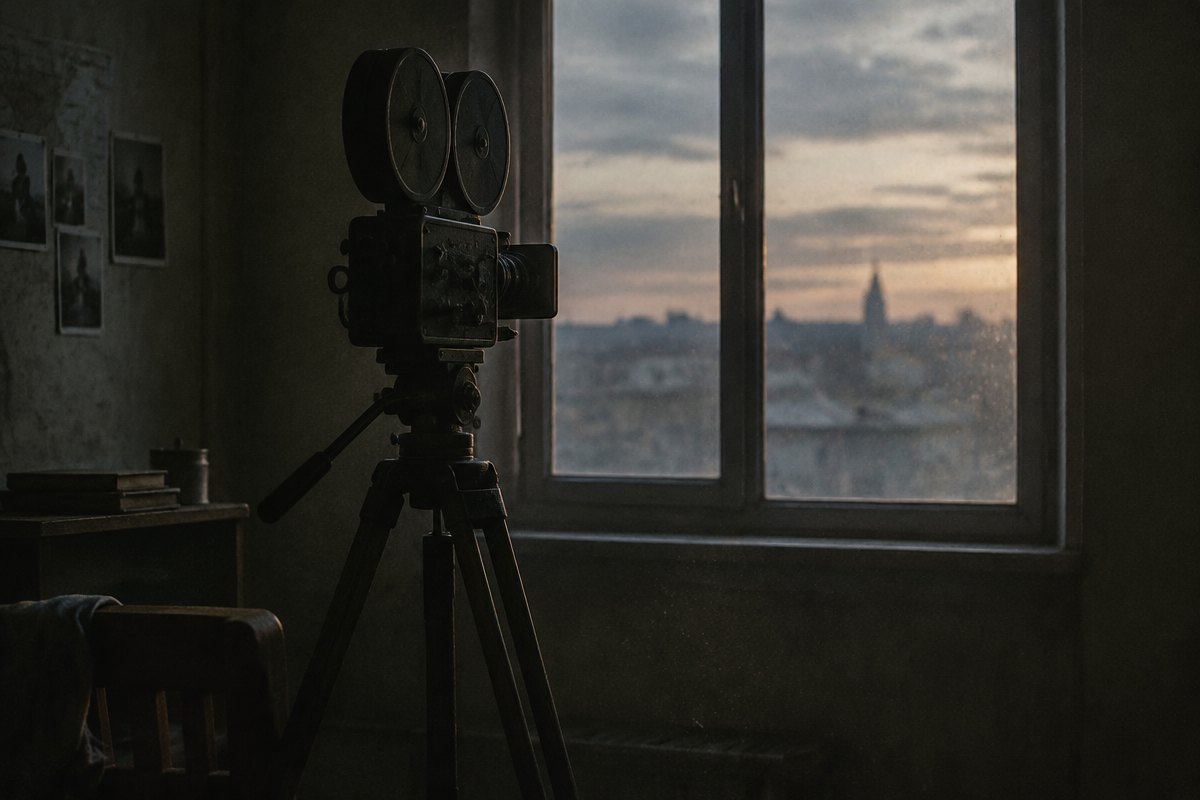
Light, Frame and Feeling in Cinema
A lamp, a shadow and a carefully held frame can tell a story before a single line of dialogue is spoken.
Read Article