
Light, Frame and Feeling in Cinema
Filmmaking · · 3 min read
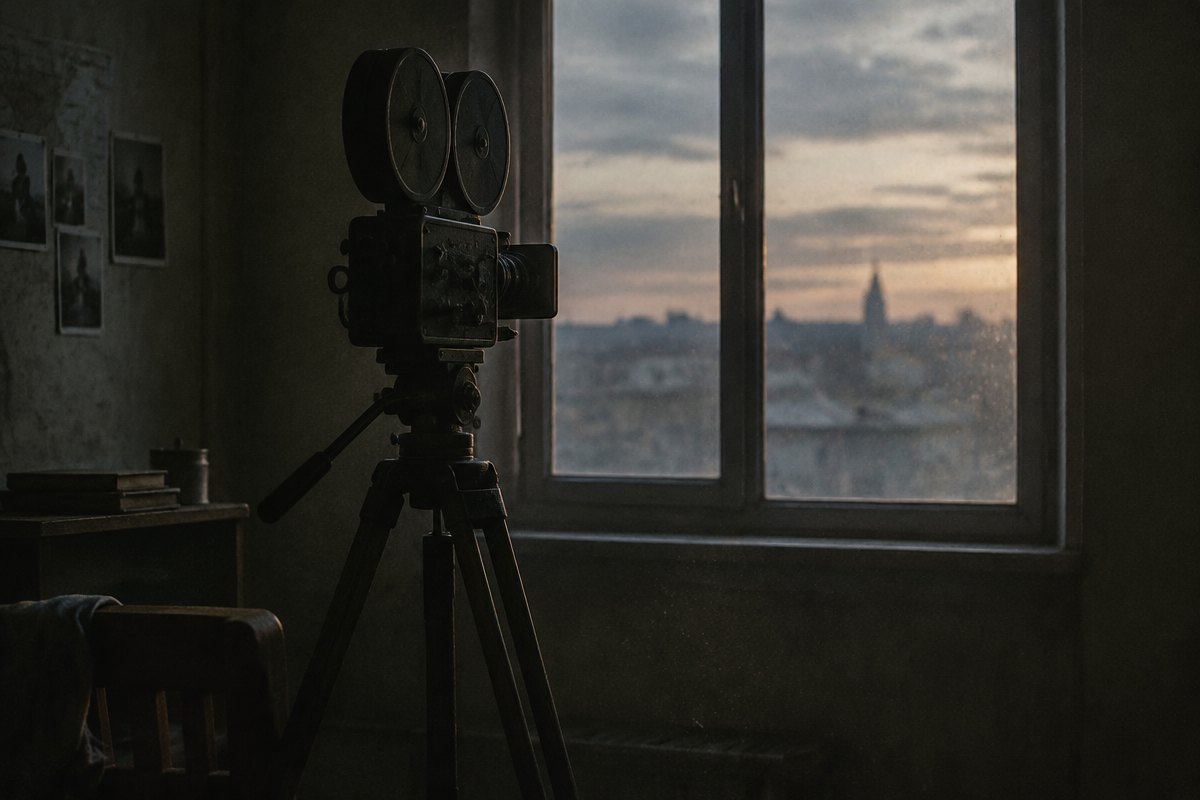
Light as a Visual Language
Light determines more than what is visible. It directs attention, gives surfaces texture and shapes a scene's emotional atmosphere. A face lit gently from a window feels different from the same face caught beneath a hard overhead source. Neither is inherently better; the choice depends on what the moment needs.
In a temple scene, an oil lamp can provide both a practical source of light and a point of emotional focus. Its warmth may draw the eye towards an offering or a hand at rest. Darkness around it creates contrast, but important details still need enough clarity to be understood.
The Frame and the World Beyond It
Framing decides what the audience knows. A wide shot can place a person within a landscape, while a close-up can make a small expression carry the scene. What remains outside the image matters too: an unseen sound or an off-screen glance can suggest a larger world without showing it.
Composition is not simply a rule about placing subjects. Space above, beside or between people can communicate isolation, anticipation or connection. Camera movement becomes meaningful when it reveals something, follows an intention or changes our relationship with the subject.
The Power of Restraint
A cinematic image does not need every surface to glow. Restraint leaves room for the audience to discover details and for a performance to remain central. Colour and contrast are strongest when they work consistently with the story rather than compete for attention.
Sometimes the most affecting choice is to hold a frame and let a moment unfold. A breath, a flickering flame or a glance can become significant when given time. Light and framing serve cinema best when they help us feel the scene, not just admire its appearance.
Related Posts

Why Timeless Stories Still Matter
Across generations, the stories we remember give shape to courage, belonging and the search for meaning.
Read Article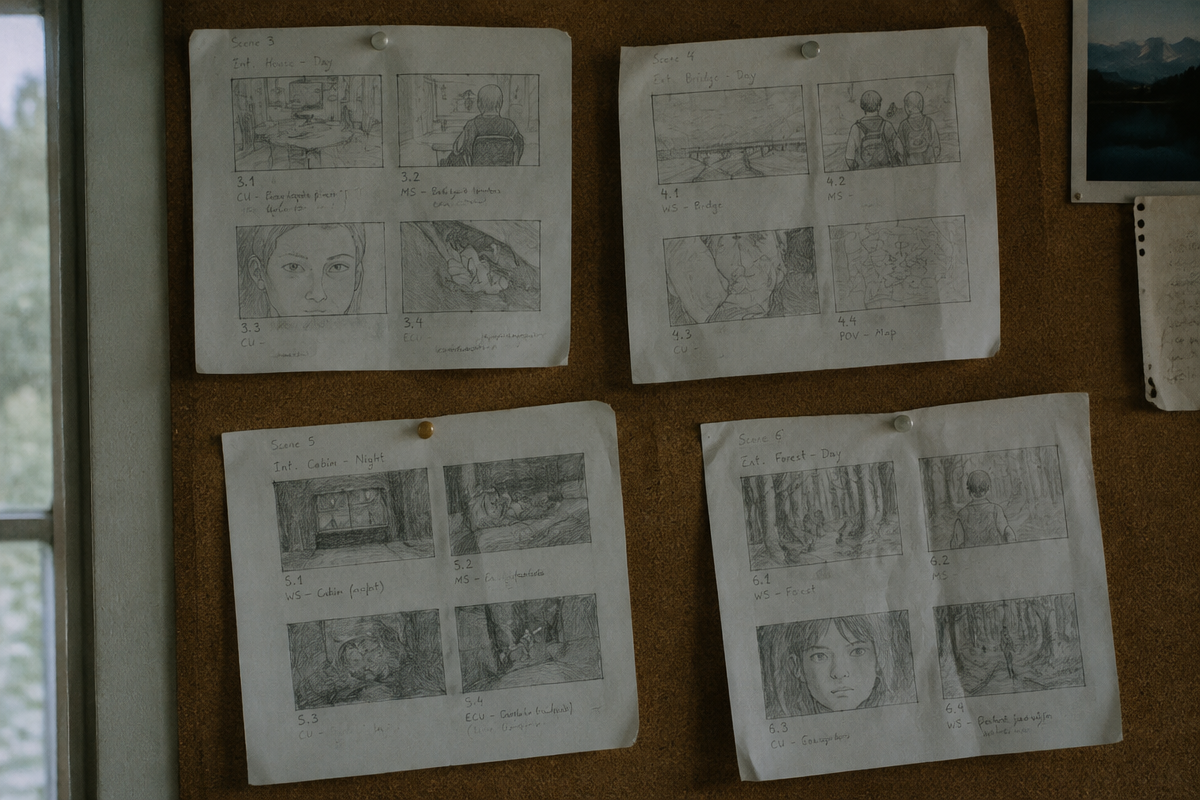
Inside an Animation Process
From the first sketch to the final frame, animation turns a story's emotional rhythm into movement, colour and sound.
Read Article